
Dbayeh is more than a coastal town on the road between Beirut and Jounieh. Its story is one of geography, movement, resilience, memory, and transformation, where old routes, communities, wartime scars, and modern waterfront development all meet in one place.
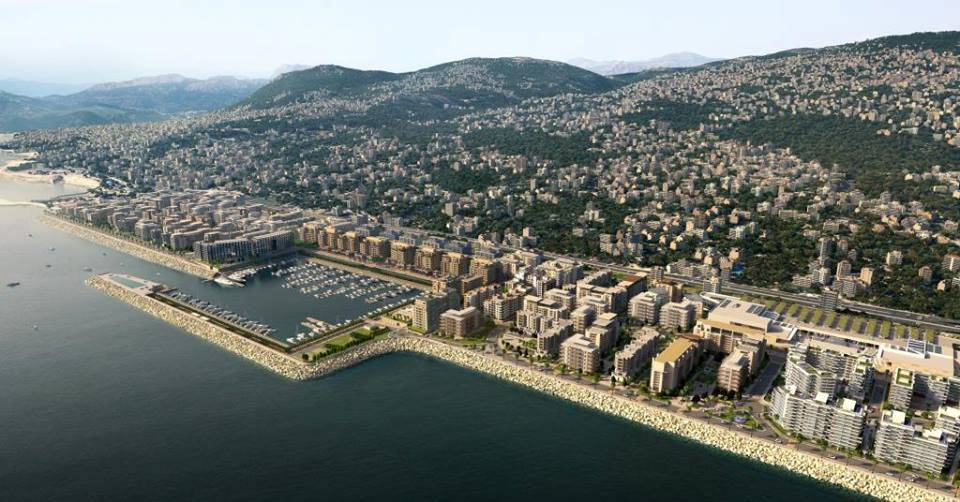
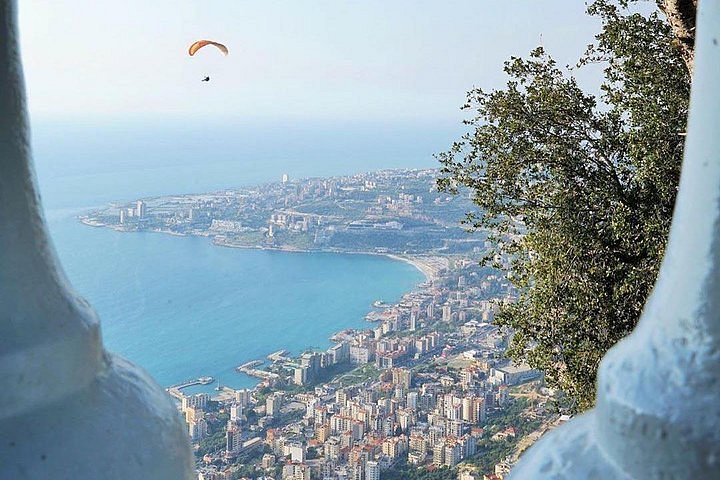
From hillside communities and shoreline routes to a modern waterfront identity.
Dbayeh grew in a strategic position along the Mediterranean, linking everyday life in Mount Lebanon to the movement of people, trade, and travel.
Its identity reflects local families, displaced communities, and the difficult chapters Lebanon experienced during the civil war years.
Today, Dbayeh also represents a more contemporary face of the coast, with retail, leisure, and residential development shaping its urban image.
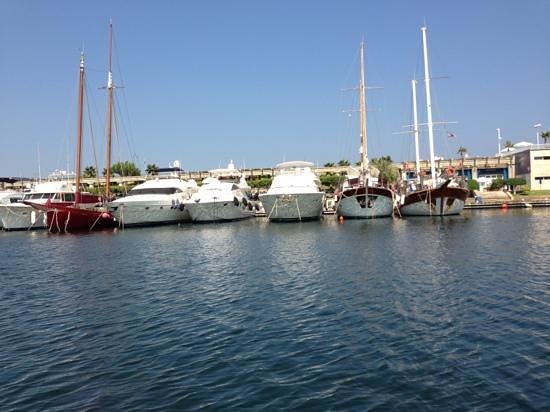
Dbayeh’s story begins with its geography. Positioned on the Mediterranean coast north of Beirut, it became part of the coastal route that connected towns, trade, and daily movement across Lebanon.
The meeting of hillside terrain and shoreline gave Dbayeh a distinct identity. It was a place open to the sea, yet closely tied to the surrounding mountain communities and nearby urban centers.
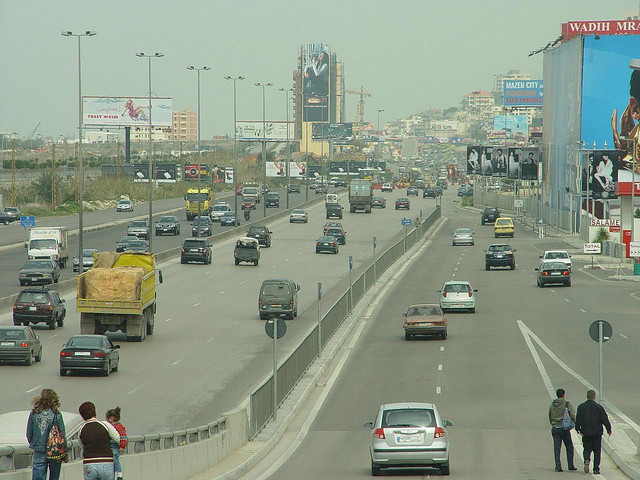
Dbayeh developed along one of the most important coastal axes in the country. Its location between Beirut and Jounieh made it a town of connection, where residence, commerce, and movement continuously overlapped.
That position shaped the rhythm of everyday life and helped turn Dbayeh into more than a quiet settlement. It became part of a larger corridor linking the capital to the northern coast.
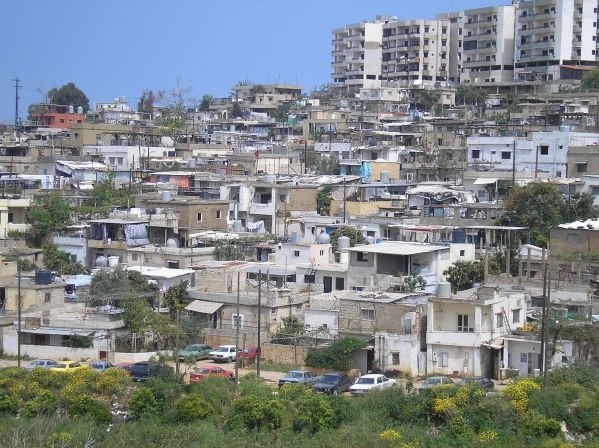
An important part of Dbayeh’s modern history is the establishment of the Dbayeh camp in the 1950s, which brought another layer of identity and memory to the area.
This history ties Dbayeh to a broader Lebanese story of displacement, rebuilding, and long-term community life, making the town significant not only for its location, but also for the human experiences rooted within it.
Like many towns in Lebanon, Dbayeh was deeply affected by the civil war period. Its strategic position made it vulnerable to violence, instability, and the broader fragmentation that shaped the country during those years.
Yet the town’s story is also one of endurance. Communities remained, life continued, and Dbayeh carried its memory forward into the period of recovery and rebuilding that followed.

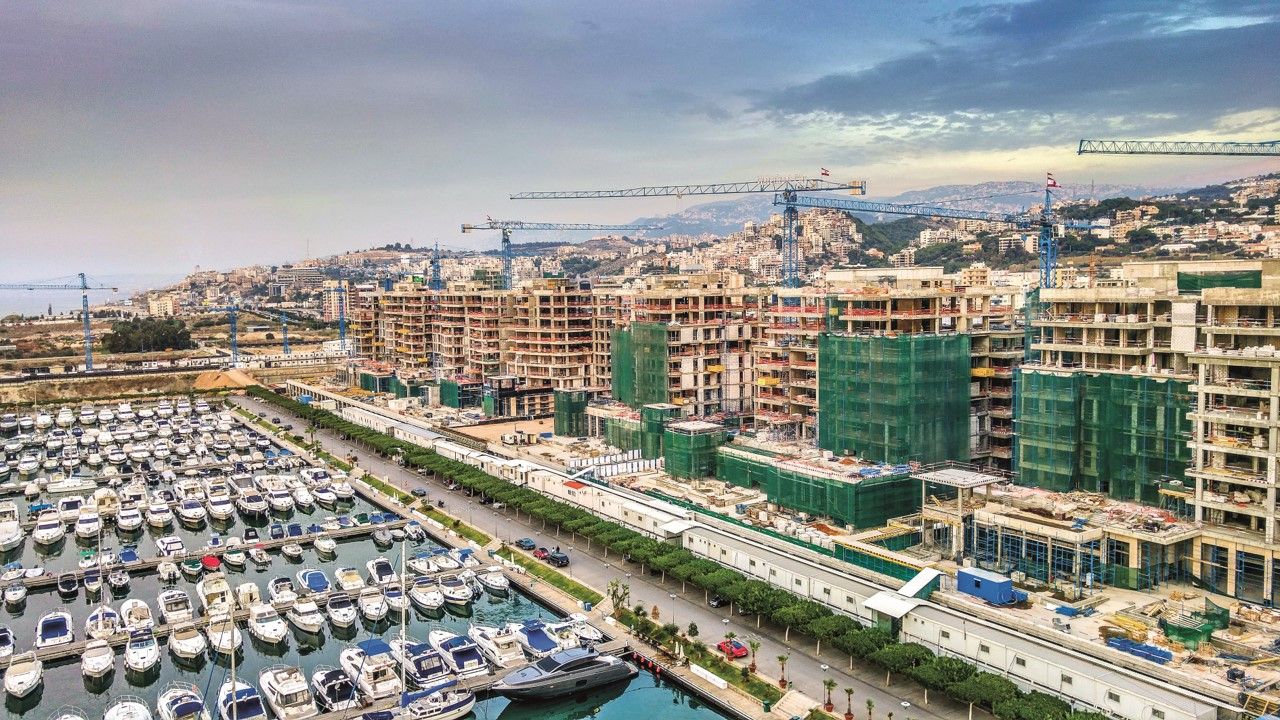
In later decades, Dbayeh became increasingly associated with commercial growth, residential projects, leisure spaces, and a more contemporary coastal image.
This shift added a new public face to the town. Modern development did not erase the past, but instead layered itself over an older history shaped by geography, conflict, and community.
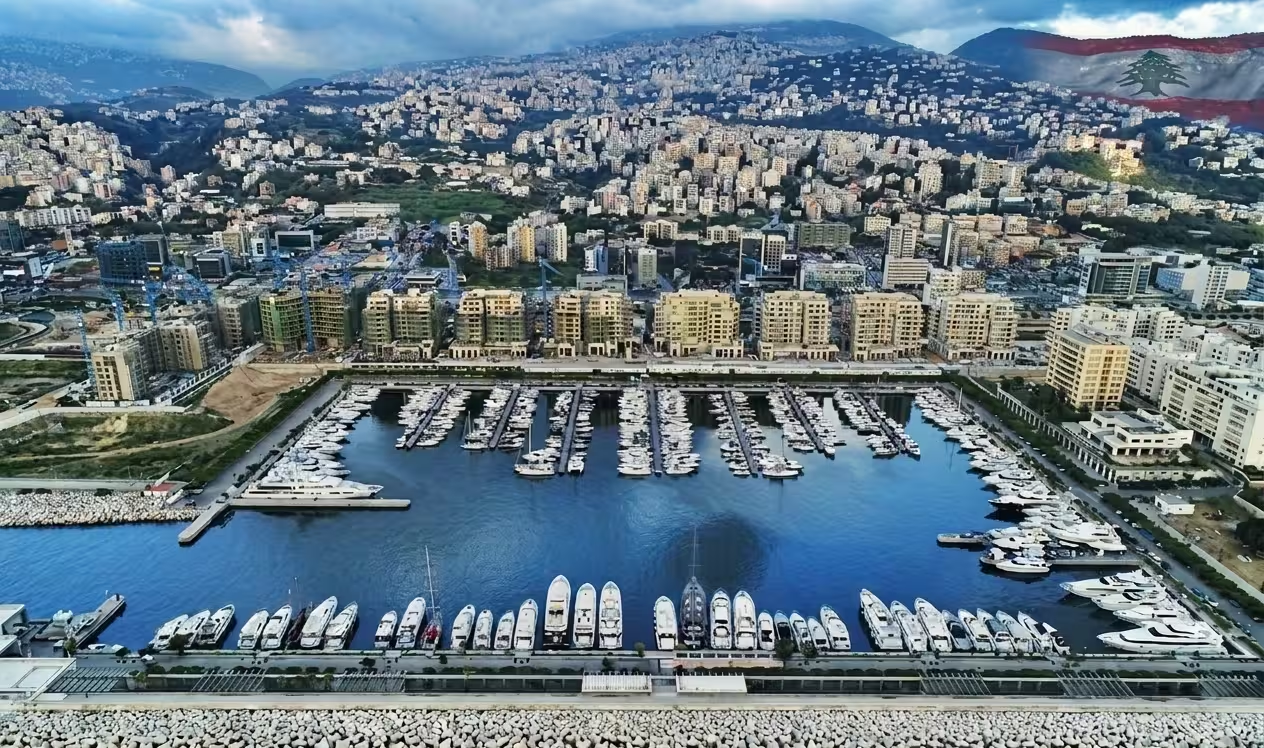
The history of Dbayeh cannot be reduced to one period alone. It is a meeting point of coastline and community, movement and settlement, hardship and transformation.
To look at Dbayeh today is to see more than modern buildings or a convenient location. It is to see a place where older histories remain visible beneath the surface of the present.
Its coast, its roads, its communities, and its built environment all carry traces of what came before. That is what makes the history of Dbayeh meaningful: it is not locked in the past, but still visible in the life of the town today.